What is an Elastic RFID Wristband and How Does It Work?
The elastic rfid wristband is revolutionizing event management and access control. According to a report by MarketsandMarkets, the global RFID market is expected to reach $57.6 billion by 2025. This rise is driven by the increasing demand for efficient identification solutions. Elastic RFID wristbands are lightweight, durable, and highly adaptable, making them ideal for various applications, from festivals to theme parks.
These wristbands utilize radio frequency identification technology to provide seamless tracking and identification. They enhance the attendee experience by allowing cashless transactions, access control, and real-time data collection. However, while they offer many benefits, challenges remain. For instance, ensuring data privacy and security is critical. There have been concerns about how data captured through these wristbands is managed.
As we explore the mechanics and advantages of elastic RFID wristbands, it’s essential to recognize their dual-edged nature. Balancing innovation with security will be key to leveraging this technology effectively. Understanding both their capabilities and limitations can help organizations make informed decisions.
Definition and Features of Elastic RFID Wristbands
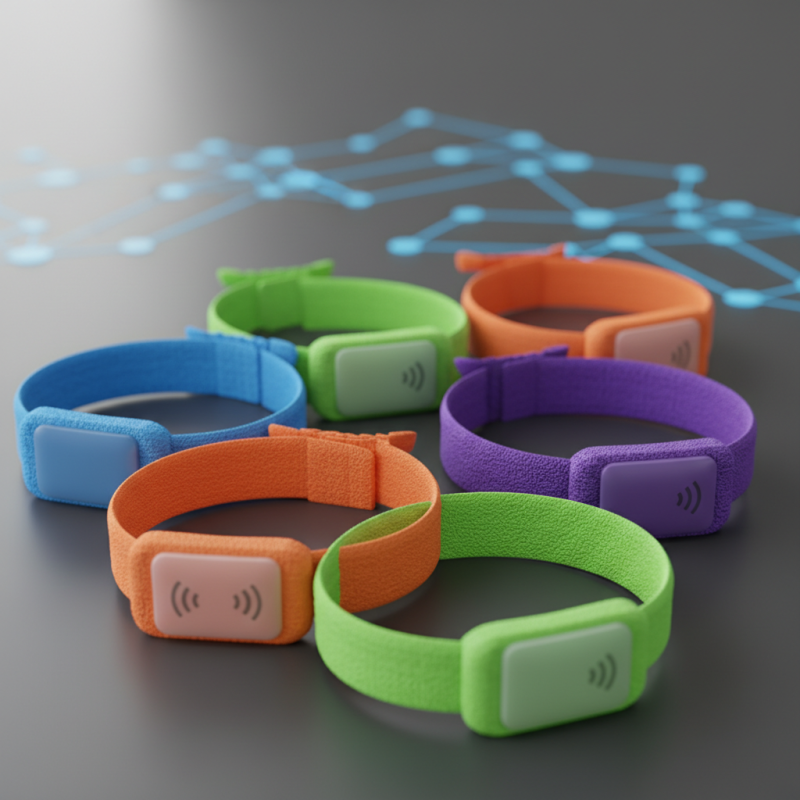
Elastic RFID wristbands are innovative devices designed for various applications, including access control and event management. These wristbands incorporate RFID (Radio Frequency Identification) technology, which allows for seamless communication with RFID readers. The elastic material ensures a comfortable fit for all users, making them suitable for long-term wear. They are often used in festivals, amusement parks, and corporate events to manage guest access efficiently.
One key feature is their durability. Elastic RFID wristbands are resistant to water and wear, allowing users to enjoy activities without concern. They are customizable too, with options for colors and branding. Despite their convenience, some challenges exist. For instance, improper placement may lead to malfunction. Users might also face issues if the bands are removed. The overall design simplifies processes while prompting users to think about how they manage their access and participation in various events.
Usage of Elastic RFID Wristbands in Various Industries
This chart displays the approximate percentage of Elastic RFID Wristband usage across several industries, highlighting their versatility and application in different contexts.
Mechanism of Action: How Elastic RFID Wristbands Function
Elastic RFID wristbands are innovative wearable devices that incorporate Radio Frequency Identification (RFID) technology. These wristbands consist of flexible materials that can comfortably fit around a user's wrist. Acting as a smart tag, each wristband contains an embedded RFID chip that interacts with nearby RFID readers. When scanned, the wristband transmits unique identification information, allowing for seamless access control or event tracking.
The mechanism of action is straightforward. The RFID chip uses electromagnetic fields to communicate with RFID readers. These readers send out a signal that activates the chip. Once activated, the chip sends its unique data back to the reader. This interaction typically occurs within a few centimeters, enhancing security and efficiency in various applications. Studies indicate that the global RFID market is expected to reach $40 billion by 2026, demonstrating its growing acceptance in multiple sectors.
Tips for maximizing the benefits of elastic RFID wristbands include ensuring proper storage. Keeping them away from extreme temperatures can prolong their life. Regularly testing the wristbands can identify potential issues before events. Moreover, consider the privacy implications. As their use expands, maintaining user data security is paramount. Balancing convenience and privacy remains a challenge in the RFID landscape.
Applications of Elastic RFID Wristbands in Various Industries
Elastic RFID wristbands have made significant strides across various industries. They provide a flexible and practical solution for access control, event management, and inventory tracking. These wristbands use radio frequency identification technology to enable seamless communication with readers. Users can enjoy a hands-free experience, whether at festivals, amusement parks, or sporting events.
In healthcare, elastic RFID wristbands enhance patient management. Hospitals can track patient identity and medication administration efficiently. They help in reducing errors, ensuring that patients receive the correct treatments. However, challenges remain. Implementing RFID can require significant investment and training. Staff must be trained to use the system effectively, which can take time and resources.
In the retail sector, merchants utilize elastic RFID wristbands for enhanced customer experiences. They allow quick checkouts and personalized promotions. Shoppers appreciate the convenience of not fumbling for cash or cards. However, stores must balance technology with personal interaction. Some customers prefer human contact over automated processes. Finding that balance is crucial for retailers aiming for success.
Benefits of Using Elastic RFID Wristbands Over Traditional Solutions
Elastic RFID wristbands have become a popular choice in various industries. They offer unique advantages over traditional solutions like paper tickets or plastic badges. One significant benefit is their durability. Unlike paper, these wristbands can withstand various conditions and last longer. This is essential in environments like amusement parks or outdoor events where wristbands can get wet or dirty.
Another advantage is convenience. Elastic RFID wristbands are lightweight and comfortable to wear. Users don’t have to worry about losing them, as they remain securely in place on the wrist. The ease of use is also notable. Scanning these wristbands at entry points is quick and efficient. This reduces queues and enhances the overall experience for attendees.
Moreover, these wristbands can hold more information compared to traditional options. They can integrate cashless payment systems, personal identification, and access control features. This technology streamlines operations and improves security. However, misconceptions about RFID technology persist, which need addressing. Educating users on data security and privacy concerns is vital. Overall, the benefits of using elastic RFID wristbands clearly outweigh traditional methods in many scenarios, but continuous improvement and user education remain essential.
What is an Elastic RFID Wristband and How Does It Work? - Benefits of Using Elastic RFID Wristbands Over Traditional Solutions
| Feature | Elastic RFID Wristband | Traditional Solutions |
| Comfort | High; stretches and conforms to wrist | Variable; may be rigid or uncomfortable |
| Durability | Water-resistant, flexible | Varies; often less resistant to wear and tear |
| Customization | Easily customizable in design and color | Limited options for customization |
| Ease of Use | Simple to wear, scan, and remove | May require additional handling or setup |
| RFID Read Range | Typically up to 10 meters | Usually shorter range, dependent on technology |
| Cost-effectiveness | Affordable for high-volume use | Can be expensive for events or large groups |
Future Trends and Innovations in Elastic RFID Technology
Elastic RFID wristbands are gaining attention for their innovative uses. These wristbands combine flexibility and advanced RFID technology, making them suitable for various applications. Their adaptability is crucial in sectors like events, healthcare, and access control.
Future trends indicate a shift towards enhanced personalization. With advancements in data integration, RFID wristbands could track personal health metrics. Imagine a wristband that communicates your fitness levels to your doctor in real-time. However, developers must consider privacy issues. Mismanagement of personal data can lead to vulnerabilities.
Tips: Always ensure that the data collected is secure. Educate users on how their information will be used. User consent is essential for trust.
Another emerging trend is the development of biodegradable materials for these wristbands. Sustainability is becoming a priority. Manufacturers are working on materials that decompose naturally without harming the environment. Yet, balancing durability and eco-friendliness poses challenges.
Tips: Test the lifespan of biodegradable options. Gather feedback from users regarding comfort and functionality. Future designs should address sustainability while maintaining performance.


 Mar 2026
 Feb 2026
 Jan 2026
 Dec 2025